
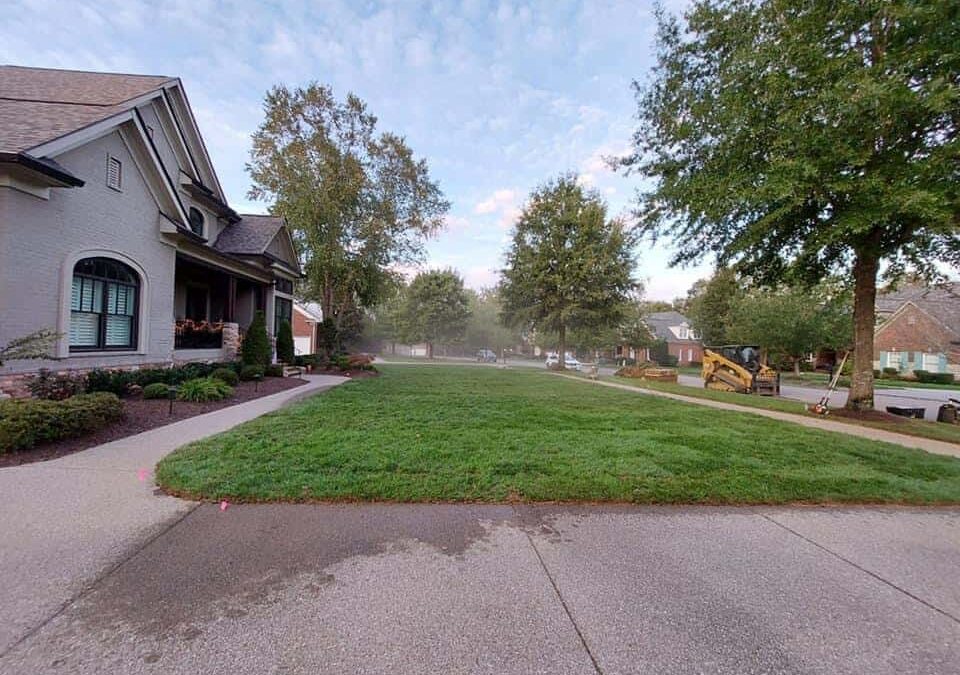
Maintaining a beautiful lawn in Middle Tennessee requires understanding both your grass type and the region’s seasonal climate shifts. If you’ve recently installed or are considering installing fescue sod in Nashville, proper care is essential to ensure long-term health and performance.
Below is a comprehensive guide to maintaining fescue sod across all four seasons.
Understanding Fescue Sod in Nashville
Fescue is considered a cool-season grass, meaning it thrives during spring and fall when temperatures are moderate. It performs best when daytime temperatures range between 60 and 75 degrees. While fescue has impressive heat tolerance compared to other cool-season grasses, Nashville’s prolonged summer heat can still cause stress if not managed correctly.
The key advantages of fescue sod include:
- Deep root systems for improved drought tolerance
- Attractive dark green color
- Good resistance to foot traffic
- Adaptability to partial shade
However, the transition between seasons—especially late spring into summer and late fall into winter—requires attentive lawn care practices to maintain turf density and prevent thinning.
Spring Care: Establishing Strength and Growth
Spring is one of the most important seasons for fescue sod in Nashville. As soil temperatures rise and the grass begins active growth, this is your opportunity to set the foundation for the rest of the year.
1. Mowing Practices
Begin mowing when grass reaches approximately 3 to 4 inches tall. Maintain a mowing height between 3 and 4 inches. Taller blades help shade the soil, retain moisture, and protect roots from heat stress later in the year.
Avoid cutting more than one-third of the blade height at any time.
2. Fertilization
Apply a balanced, slow-release fertilizer in early spring to encourage healthy growth. Over-fertilizing can lead to excessive top growth, which may increase stress during summer.
3. Weed Prevention
Pre-emergent herbicides applied in early spring help prevent crabgrass and other warm-season weeds from competing with your fescue sod.
Summer Care: Protecting Fescue Sod from Heat Stress
Summer in Nashville brings high temperatures and humidity, which can be challenging for cool-season grasses. Protecting your fescue sod in Nashville during this period requires thoughtful watering and mowing strategies.
1. Watering Guidelines
Fescue requires approximately 1 to 1.5 inches of water per week during summer. Water deeply and infrequently rather than lightly every day. Early morning irrigation is ideal to reduce evaporation and prevent fungal disease.
Signs your lawn needs water include:
- Wilting or folding blades
- Bluish-gray coloration
- Footprints that remain visible after walking
2. Avoid Over-Fertilizing
Do not apply heavy nitrogen fertilizers during peak summer heat. Excess fertilization can stress turf and increase disease susceptibility.
3. Watch for Disease
High humidity can lead to fungal diseases such as brown patches. Ensure proper air circulation and avoid watering late in the evening.
Fall Care: The Prime Season for Fescue Sod in Nashville
Fall is the most critical season for maintaining and improving fescue sod in Nashville. Cooler temperatures and consistent rainfall create optimal growing conditions.
1. Aeration
Core aeration in early fall helps relieve soil compaction and improves nutrient absorption. This is especially beneficial in high-traffic lawns.
2. Overseeding
If your lawn has thinned over the summer, fall is the best time to overseed. The mild temperatures allow seeds to germinate successfully and establish before winter.
3. Fertilization
Apply a fall fertilizer rich in potassium to strengthen root systems before winter dormancy. Fall fertilization is more beneficial than heavy spring applications for long-term turf health.
Winter Care: Managing Dormancy
While fescue remains greener longer than many grass types, growth slows significantly in winter. Nashville winters can fluctuate between mild and freezing conditions, so protective care is important.
1. Limit Traffic
Frozen or frost-covered grass blades are fragile. Avoid walking on the lawn during frost to prevent damage.
2. Leaf Removal
Remove fallen leaves promptly. Thick leaf cover can block sunlight and promote fungal issues.
3. Minimal Fertilization
Avoid fertilizing during winter dormancy unless recommended by a lawn care professional.
Soil Health and Drainage Considerations
Healthy soil is the foundation of strong fescue sod. Nashville’s clay-heavy soil can create drainage challenges, leading to root stress if not properly managed.
To improve soil conditions:
- Incorporate organic matter when possible
- Aerate annually
- Avoid excessive watering
- Test soil pH periodically (fescue prefers a pH between 5.5 and 7.0)
Improving soil structure helps roots grow deeper and increases resilience during temperature extremes.
Working with Sod Source
When considering fescue sod in Nashville, partnering with an experienced supplier makes a measurable difference. Sod Source provides fresh, locally grown sod varieties suited for Middle Tennessee’s climate. Our team offers guidance on selecting the right grass type, preparing your soil, and establishing healthy growth from day one.
To learn more about available sod varieties or get expert recommendations tailored to your property, contact us at Sod Source for assistance.