
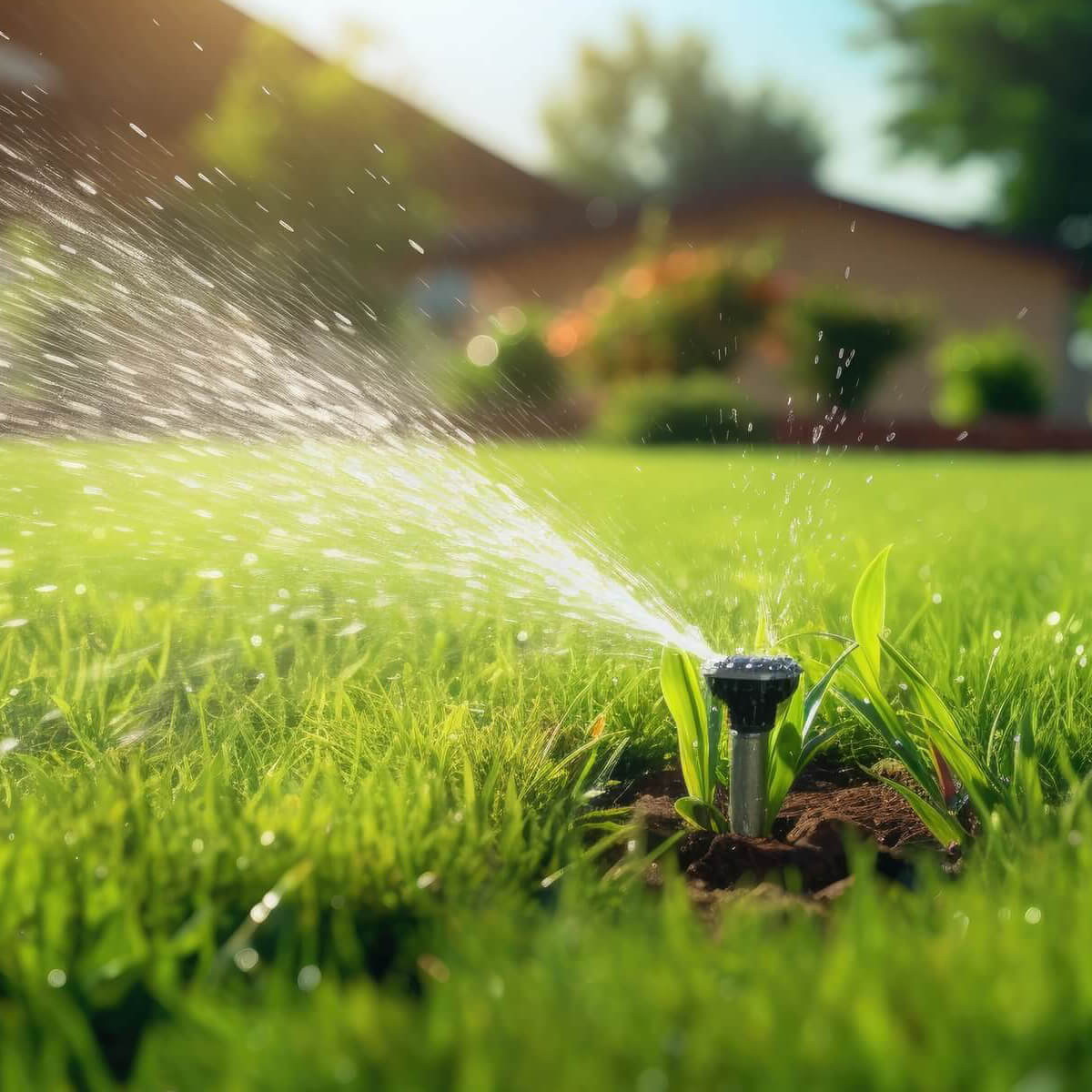
Proper watering after sod installation in Nashville is the most critical factor in establishing healthy new sod. Understanding the correct watering schedule can mean the difference between a thriving lawn and costly replacement. Nashville’s variable weather patterns and seasonal changes require specific attention to watering frequency and timing for optimal sod establishment.
Understanding Nashville’s Climate Impact on New Sod
Nashville’s humid subtropical climate presents both opportunities and challenges for new sod establishment. The city experiences hot, humid summers and mild winters, with spring and fall offering ideal conditions for sod installation. Temperature fluctuations and seasonal rainfall patterns directly influence how often new sod requires watering.
During summer months, increased evaporation rates and higher temperatures stress newly installed sod, requiring more frequent watering. Conversely, cooler months with natural precipitation may reduce watering needs significantly. Understanding these climate factors helps homeowners develop appropriate watering schedules.
First Week Watering Schedule
The initial seven days after installation represent the most critical period for new sod establishment. During this time, the sod has not yet developed root connections with the underlying soil and depends entirely on surface moisture for survival.
Water new sod immediately after installation, ensuring the soil beneath becomes thoroughly saturated. For the first week, water twice daily during early morning and late afternoon hours. Each watering session should provide enough moisture to penetrate the sod and reach the soil underneath without creating standing water or runoff.
Check soil moisture by lifting corners of sod pieces to ensure water reaches the root zone. The soil should feel consistently moist but not waterlogged. Adjust watering duration based on your specific soil type and drainage characteristics.
Second and Third Week Adjustments
As roots begin establishing connections with the underlying soil, gradually reduce watering frequency while maintaining adequate moisture levels. During weeks two and three, transition to once-daily watering, preferably in early morning hours to minimize evaporation loss.
Monitor sod closely during this transition period for signs of stress, including wilting, browning, or lifting edges. These symptoms indicate insufficient moisture and require immediate attention. Conversely, overly soggy conditions can promote fungal diseases and root rot.
Long-Term Establishment Phase
After three weeks, well-established sod typically requires watering every other day or as needed based on weather conditions. Nashville’s natural rainfall often supplements irrigation needs during spring and fall months, allowing for reduced watering schedules.
Test root establishment by gently tugging on sod pieces. Resistance indicates successful root development and allows for transitioning to standard lawn watering practices. Most sod varieties establish sufficient root systems within four to six weeks under proper care.
Grass Variety Considerations
Different grass types commonly used in Nashville have varying water requirements during establishment. Fescue varieties typically require consistent moisture but demonstrate good drought tolerance once established. Bermuda grass shows excellent heat tolerance but needs adequate water during the establishment phase. Zoysia grass requires steady moisture initially but becomes highly drought-resistant after establishment.
Professional Installation Advantages
Working with certified professionals ensures proper installation techniques that promote successful establishment. Sod installation in Nashville performed by licensed contractors includes proper soil preparation, appropriate grass variety selection, and detailed care instructions tailored to local conditions.
Sod Source maintains Tennessee Department of Agriculture landscaping certification, BBB accreditation, and comprehensive Westfield Insurance coverage, providing customers with confidence in professional installation services. Their expertise with Fescue, Bermuda, and Zoysia grass varieties ensures appropriate variety selection for Nashville’s climate and soil conditions.
Signs of Proper Hydration
Healthy, properly watered new sod displays vibrant green color, firm texture, and steady growth. Footprints should spring back quickly when walking across the surface. Sod edges should remain flat against the soil without curling or lifting.
Monitor for overwatering signs including persistent soft, squishy texture, fungal growth, or unpleasant odors. These conditions require immediate attention and watering schedule adjustments to prevent permanent damage.
Ready to Transform Your Lawn?
Establishing beautiful, healthy sod requires expertise, proper timing, and professional installation techniques. Sod Source’s certified professionals provide comprehensive sod installation services throughout Nashville and Middle Tennessee, ensuring your new lawn receives the best possible start.
Contact us at Sod Source to schedule your professional sod installation consultation. Our licensed, insured team will handle every aspect of your lawn transformation, from soil preparation through establishment guidance, giving you peace of mind and guaranteed results.