
Fescue Sod Delivery and Installation
Get a resilient and attractive lawn that thrives in cooler seasons when you choose Fescue sod.
About Fescue Sod
Tall Fescue is a cool-season turfgrass known for its rich green color, soft texture, and attractive, natural appearance. It has a medium-to-wide leaf blade and creates the classic lush, green lawn many homeowners prefer.
Unlike warm-season grasses that go dormant and turn brown during the winter, Tall Fescue maintains its green color through much of the year. It performs best during the cooler temperatures of spring and fall and is well suited for Tennessee’s transition-zone climate, where both cool- and warm-season grasses can be grown successfully.
Tall Fescue is also valued for its good shade tolerance and deep root system, making it a popular choice for lawns with a combination of sun and partial shade. Because it is a cool-season grass, it requires consistent watering during Tennessee’s hot, dry summers to maintain its best color and appearance.
For homeowners looking for a lush, green lawn with year-round appeal and excellent versatility, Tall Fescue is one of the most popular turfgrass choices in Middle Tennessee.

Why Choose Tall Fescue?
Tall Fescue is one of the most popular lawn grasses in Middle Tennessee, and for good reason. Its rich green color, attractive texture, and ability to stay green through much of the year make it an excellent choice for homeowners who want a classic, lush-looking lawn.
One of Tall Fescue’s biggest advantages is its excellent shade tolerance. While all turfgrass needs sunlight, Tall Fescue generally performs better in partially shaded areas than many warm-season grasses, making it especially well suited for properties with mature trees or a mixture of sun and shade.
Tall Fescue also develops a deep root system, which helps established lawns handle periods of heat and drought better than many other cool-season grasses. It performs well throughout Tennessee’s transition-zone climate, with its strongest growth occurring during the cooler temperatures of spring and fall.
Because Tall Fescue remains green during seasons when Bermuda and Zoysia typically enter dormancy, it’s an excellent option for homeowners who prioritize year-round color and curb appeal.
For a lush, green lawn with excellent shade tolerance and year-round beauty, Tall Fescue is hard to beat.
Customer Photos
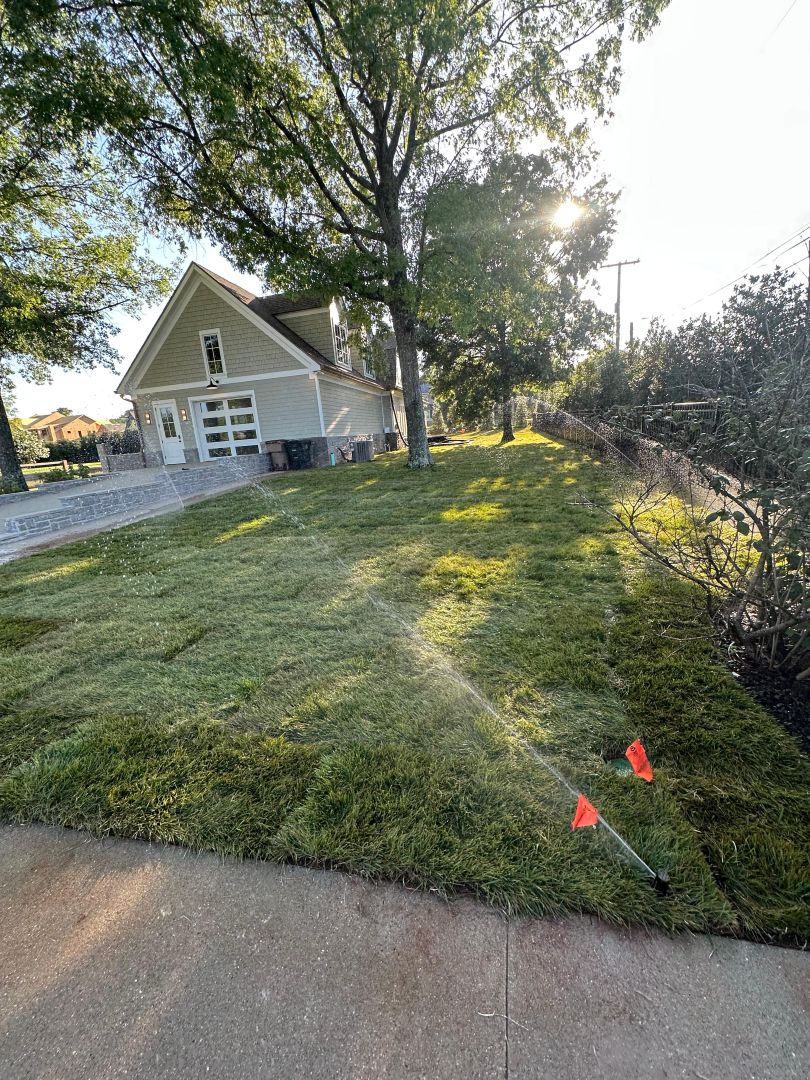
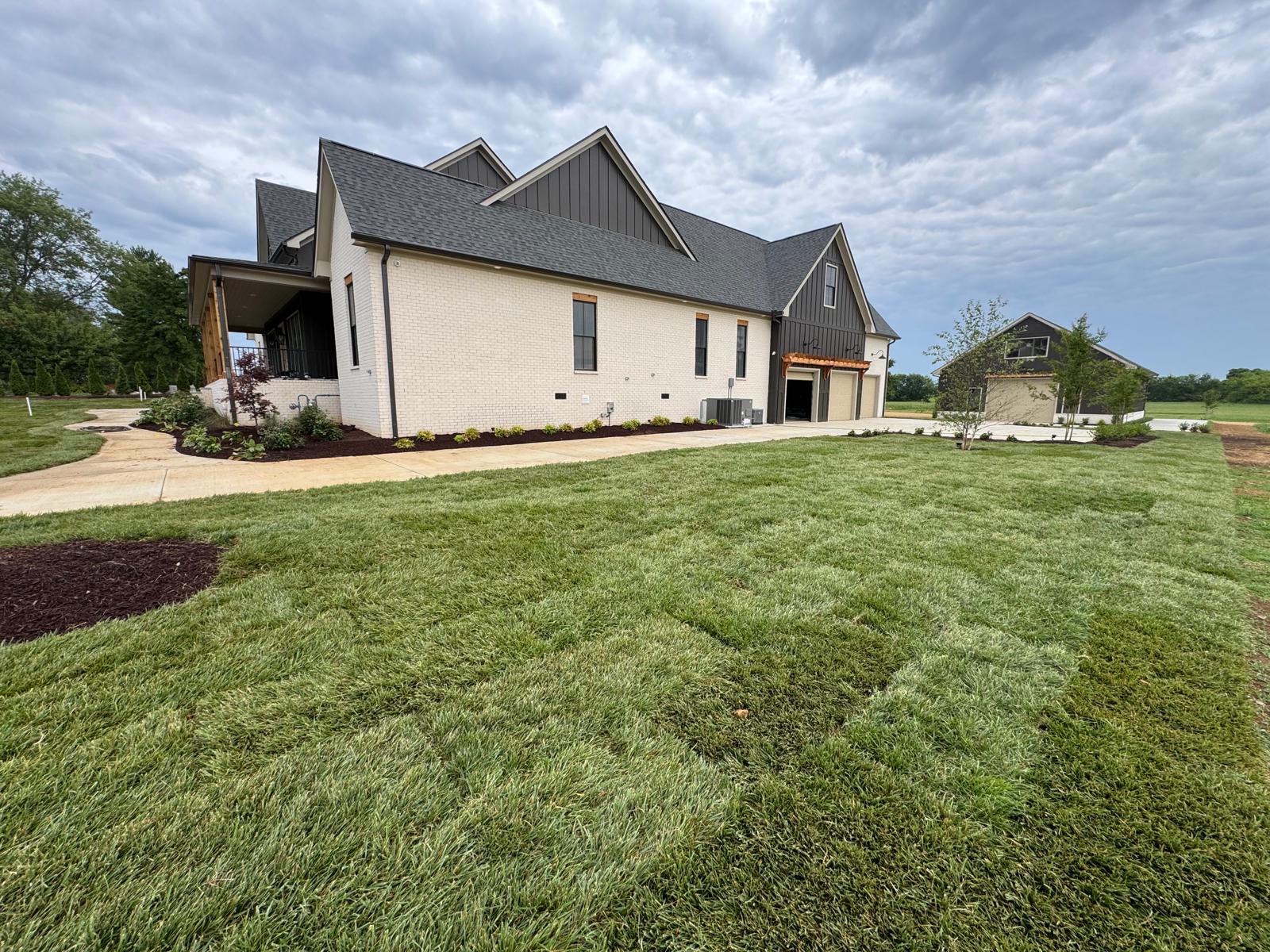
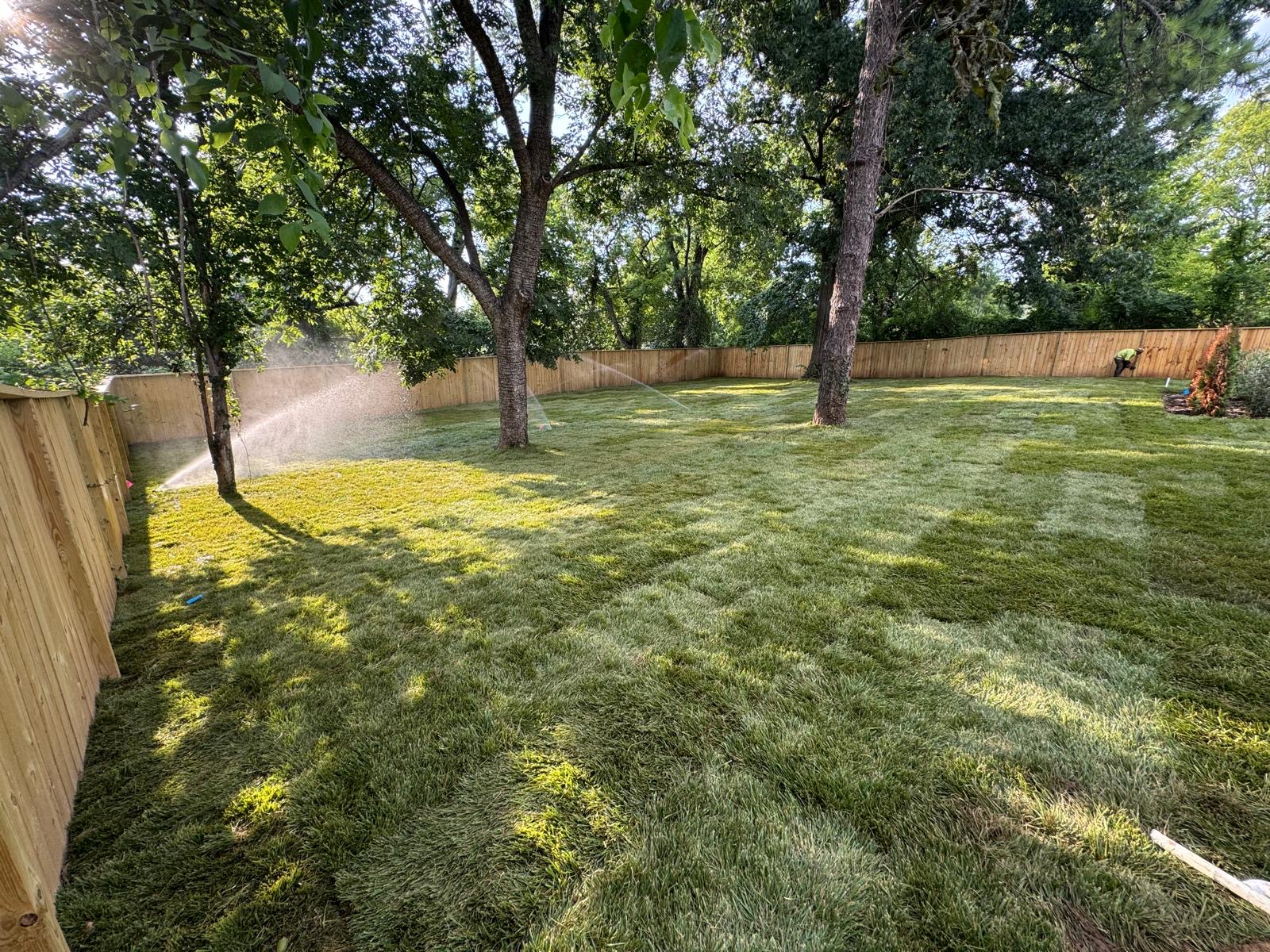


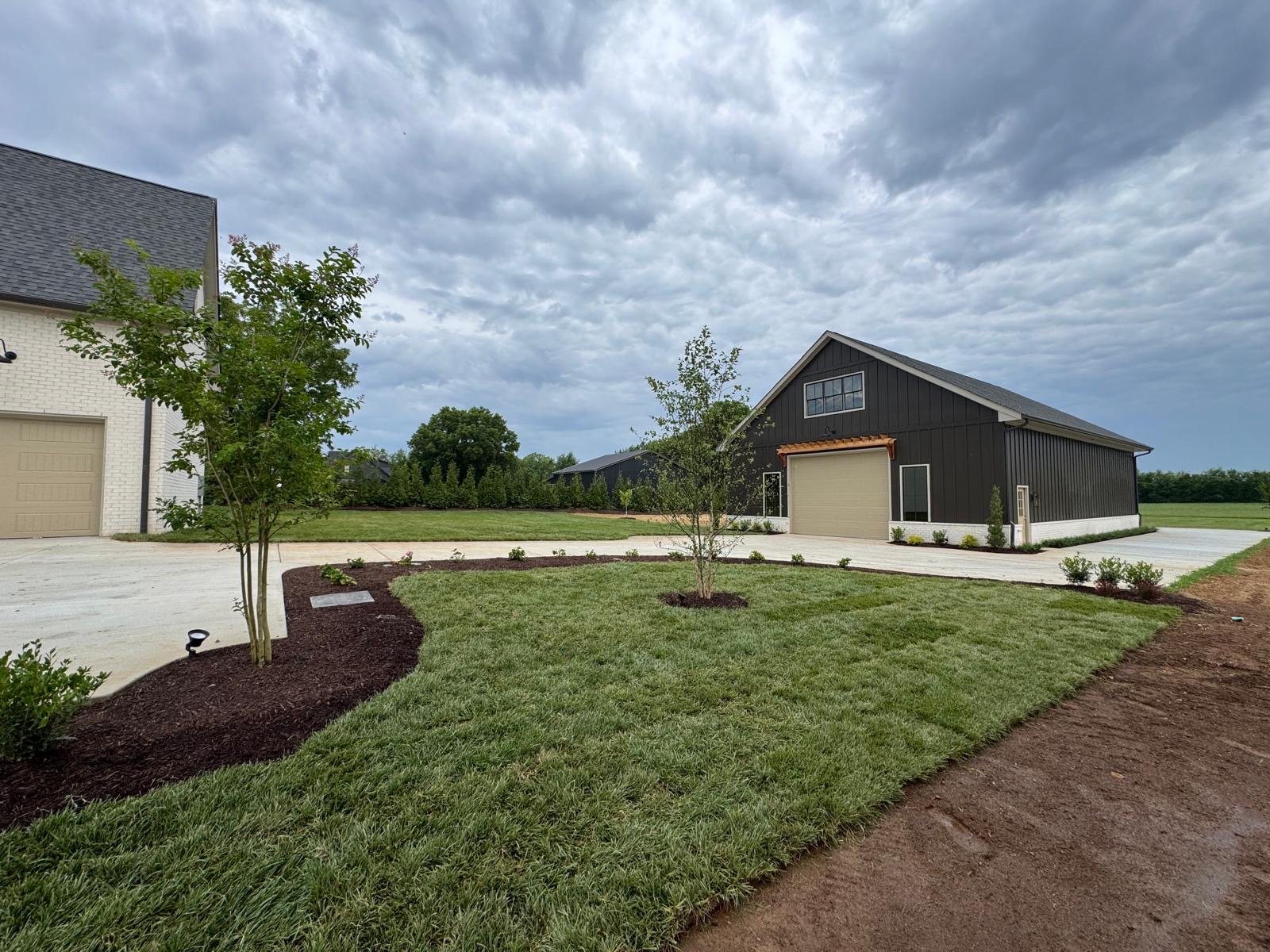
About Tall Fescue
At Sod Source, we use tall fescue because it is more suited to the southern climate than fine fescue is. Here are some of the key characteristics of tall fescue:
- Texture: Tall fescue has a coarse texture. The blades of grass are typically 1/2 to 3/4 inch wide and 1 to 2 inches long.
- Color: Tall fescue is typically dark green in color. However, some varieties can have a lighter green or even blue-green color.
- Growth Habit: Tall fescue is a bunch-type grass. This means that it grows in clumps and does not spread as quickly as other types of grass.
- Tolerance: Tall fescue is tolerant of a wide range of conditions. It can tolerate heat, drought, shade, and foot traffic.
- Maintenance: Tall fescue is a moderate-maintenance grass. It requires regular mowing, watering, and fertilizing.
Is Tall Fescue Right for You?
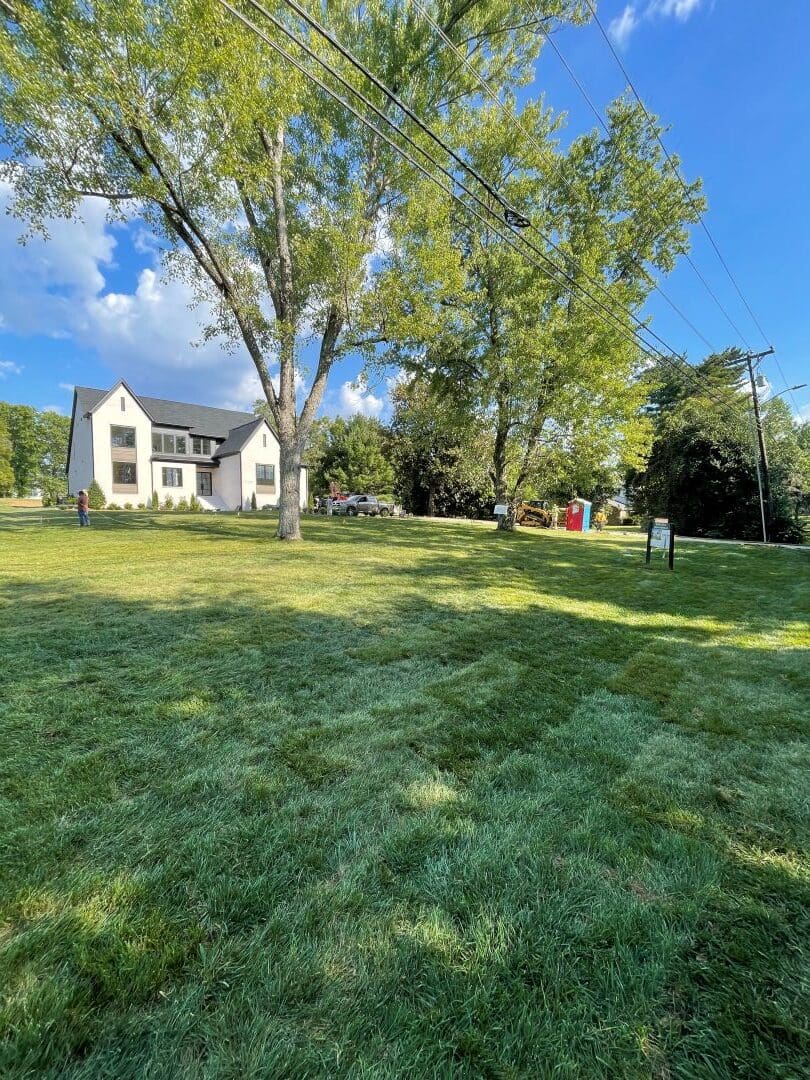
If you are looking for a cool-season grass that is tolerant of a variety of conditions, tall fescue is a good option. It is a good choice for lawns in the transition zone and for lawns that receive partial or full shade. Tall fescue is also a good choice for homeowners who want a low-maintenance lawn.
New Tall Fescue Sod Watering Schedule
The First 30 Days Are Critical
Proper watering is the single most important factor in establishing your new lawn. The goal is to keep the sod and the soil beneath it consistently moist while the roots establish.
Days 1–7
Water 3 times per day
- 6:00–7:00 AM
- 11:00 AM–12:00 PM
- 3:00–4:00 PM
Run each zone 10–20 minutes, depending on your sprinkler system.
The sod should stay damp throughout the day. Avoid watering after 6:00 PM unless the sod is drying out or temperatures are extremely hot.
Days 8–14
Water 2 times per day
- 6:00–7:00 AM
- 2:00–4:00 PM
Run each zone 15–25 minutes.
Begin allowing the surface to dry slightly between watering while keeping the soil underneath moist.
Days 15–21
Water once each morning
- 6:00–8:00 AM
Run each zone 25–35 minutes. The lawn should now be developing deeper roots.
Days 22–30
Water every other day
- Early morning only
- 30–45 minutes per zone
This encourages the roots to grow deeper into the soil.
After 30 Days
Transition to a normal watering schedule:
- 2–3 days per week
- Approximately 1 to 1½ inches of water per week (including rainfall)
Water early in the morning whenever possible.
Mowing
- Wait until the lawn is firmly rooted (typically 2–3 weeks).
- Never remove more than ⅓ of the grass blade in a single mowing.
- Keep mower blades sharp.
Important Tips
- Lift a corner of the sod after the first week. If it resists lifting, the roots are establishing.
- If the sod feels crunchy or the edges begin curling, increase watering immediately.
- If you notice standing water, puddling, or constantly soggy areas, reduce watering time.
- Rainfall counts—adjust your irrigation schedule accordingly.
- During periods of extreme heat (95°F+), a brief midday cooling cycle of 5–10 minutes may be beneficial if the lawn shows signs of heat stress.
Sod vs. Seed:
Which Is Better?
When it comes to achieving a perfectly green, healthy lawn, two options come to mind: sod or seed. While both methods can give you a luscious lawn, there are many advantages to opting for sod over seed. The first benefit of sod is that it is much more convenient. With sod, you can have a lush lawn in a matter of hours versus weeks or even months with seed. Sod is also much easier to install than seed, with no need for any tilling or waiting for germination. Additionally, sod guarantees uniformity throughout your lawn, meaning no patchy areas or uneven growth. In contrast, seeding can result in a more inconsistent lawn, which may require additional seed and more time to maintain. Lastly, sod requires significantly less maintenance than seeded lawns, with none of the need for frequent watering and the constant threat of weeds and pests. This could really save you time and money in the long run. All in all, sod is a wise investment for those looking for a quick, effortless, and aesthetically pleasing way to transform their outdoor space.
Should I Install Sod Myself?
Whether or not you should install your own sod depends on a few factors, including your budget, your time constraints, and your DIY skills.
Cost
The cost of sod installation will vary depending on the size of your lawn, the type of sod you choose, and the cost of labor in your area. If cost is the main concern for you, then you may be better off laying the sod on your own. Just make sure you do plenty of research before your sod is delivered.
Time
Sod installation is a time-consuming project. It can take several hours to install a small lawn, and even longer for a large lawn. Time is of the essence when installing sod, since it may dry out if left above ground for too long. A professional sod installer will be able to lay your sod in much shorter time than you likely could yourself.
DIY Skills
Sod installation will go better for an amateur with some basic DIY skills. If you are not comfortable working with tools or following instructions, you may want to consider hiring a professional.
The greatest benefit to installing sod yourself is the cost savings. However, laying sod is a physically demanding job and requires a baseline level of DIY experience and knowledge. If you aren’t careful, you could make mistakes that damage your lawn and end up costing you more in the long run. Ultimately, the decision of whether to lay your own sod or hire a professional sod installation company is a matter of personal choice.
Sod Installation Tips
If you decide to install your own sod, here are some tips to help you get the job done right:
Plan ahead: Make sure you have all the necessary tools and materials before you start.
Prepare the soil: The soil should be loose and well-drained.
Lay the sod: Lay the sod in a staggered pattern and overlap the edges by at least 6 inches.
Water the sod: Water the sod regularly, especially during the first few weeks.
Fertilize the sod: Fertilize the sod according to the manufacturer’s instructions.
With a little planning and effort, you can install your own sod and have a beautiful lawn in no time. But if you decide that installing sod is not for you, the professionals at Sod Source have you covered!
Request a Free Estimate
Please note that Sod Source is based in Middle Tennessee. For clients outside of Middle TN, we only offer Sod Delivery and Installation at this time. Clients in these areas must please provide their own yard measurements.
Fill out the form below or call/text us at 615-628-7097

About Sod Source TN LLC
Established in 2015, Sod Source strives to deliver the best sod at a fair price. We are licensed and insured in the great state of Tennessee.
We deliver and install sod in Nashville, Franklin, Spring Hill, Brentwood, Murfreesboro, Columbia, and many other areas surrounding Middle Tennessee. We have many different sod types available, so if there is a specific sod need you have, we are your go to source!

Why Nashville Residents Are Choosing Synthetic Turf Over Traditional Grass
If you live in the Nashville area and keep walking out to your yard feeling like you’re on...
Contact Information
Mailing Address:
7115 Southpoint Pkwy #156
Brentwood, TN 37027
615-628-7097
sales@sodsource.com
Boro Business Lab - Murfreesboro Web Design & SEO Services